

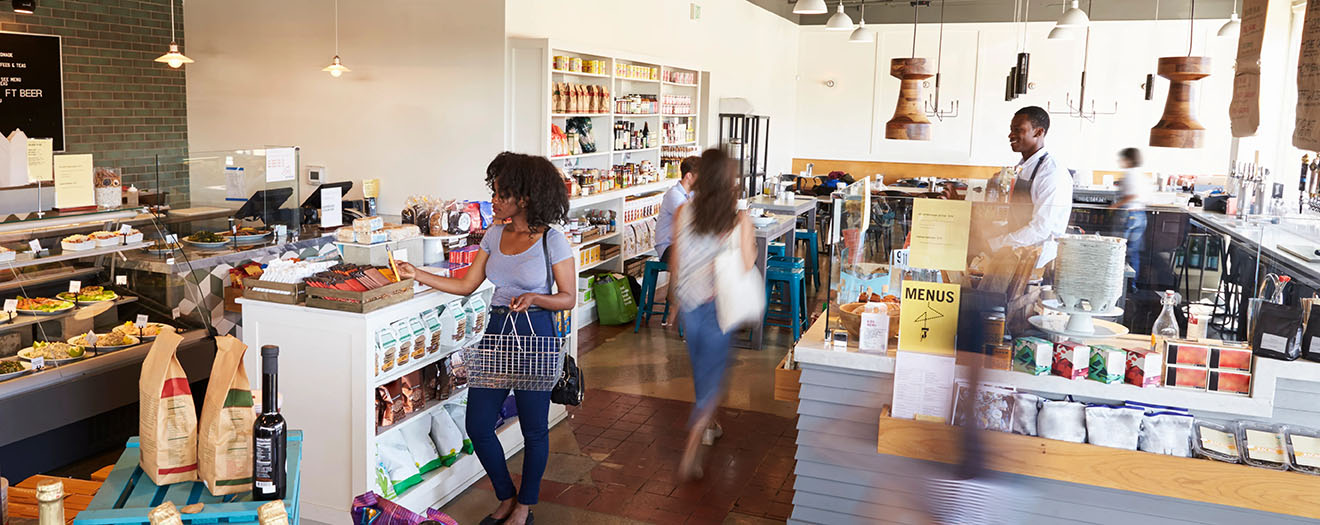
Peak season success is secured well before carts fill and parcels ship. Retailers that prepare customer support early protect revenue, brand reputation, and loyalty when volume surges.
This guide explains why September is the deadline for peak-season readiness. It then covers how to forecast and staff for peak demand. From there, it shows how to build omnichannel coverage with clear escalation and contingency plans. It closes with a practical Peak-Season CX Readiness Checklist to move your team from planning to execution.
Why September is the real deadline for retail peak season customer support readiness
Retail peak season is no longer a single weekend; it now stretches from mid-September through the New Year. Promotions start earlier, budget-conscious shoppers spread purchases over weeks, and pre-holiday browsing triggers more pre-purchase questions. Support teams face sustained volume across order status, promotions, returns, gifts, and delivery expectations.
Waiting until late October or November to finalize your plan creates predictable shortfalls. Hiring, training, system updates, policy changes, and knowledge base refreshes all take time. When onboarding gets compressed, escalation paths blur, and service levels slip. The result: abandoned carts, negative social sentiment, more refund requests, and customers who don’t come back.
Treat September as the hard cutoff to validate forecasts, lock staffing plans, and run stress tests. That’s what separates a team that’s genuinely ready from one still catching up once volume hits.
Forecasting and seasonal staffing for peak retail demand
Accurate forecasting is the foundation of peak readiness. Start with multi-year sales and support data, segmented by product, promotion type, shipping speeds, and geography. Align your marketing calendar with known contact drivers, pricing and discount-code issues, delivery ETAs, inventory checks, and returns.
Incorporate external signals, including carrier updates, economic indicators, and competitor activity, that could shift demand timing. Disciplined customer experience management during retail peak season means staying ahead of demand instead of reacting to it.
Start by building channel-specific projections for phone, email, chat, social, and self-service. Expect shifts in mix: chat typically spikes during checkout promotions, while email increases with order updates and returns. Adjust for average handle time changes driven by complex orders, split shipments, and gifting policies.
Translate these projections into staffing needs using interval-level modeling to capture intra-day peaks. Don’t overlook quality assurance and team lead coverage. These roles matter most exactly when velocity is highest.
Recognize when in-house capacity reaches its limit. Warning signs include stretched training bandwidth and rising backlog. Watch also for eroding schedule adherence and gaps in multilingual or after-hours coverage. When those limits appear, factor in seasonal hiring and whether an experienced outsourced contact center should be part of the capacity plan.
Getting this right early is what separates a team that enters peak season with room to flex from one that’s already stretched thin before volume even peaks.
Omnichannel support for peak season volume, returns, and orders
Customers move across channels fluidly during peak season, so service should follow without friction. Centralize answers in a shared knowledge base. Make sure agents have quick access to policy updates, promotion rules, shipping cutoffs, and return windows.
Omnichannel routing should consider skills, intent, and customer profile, preserving context across chat, phone, social, and email. This way, customers never repeat themselves, and retail teams can measure real omnichannel support for peak season.
Order and return inquiries spike dramatically during this period. Prepare clear, simplified flows for returns initiation, label generation, refund timelines, and exchange options. Proactively address expectations by adding messaging to order confirmations and shipping notifications that explains delivery timelines, potential carrier slowdowns, split shipments, and signature requirements.
Refresh help articles and FAQs, and surface them contextually on product pages, checkout, and order tracking portals. Calibrate IVR menus and chatbots to resolve common issues and escalate quickly when a customer needs a human. Handling returns and inquiries during peak retail season is the real test of whether your operation can keep pace.
Monitor channel performance in real time with dashboards that show queue depth, service levels, first contact resolution, and sentiment by channel. Use this visibility to rebalance staffing during the day and to trigger overflow to backup teams when thresholds are crossed. Omnichannel readiness is not just a set of features. This is an operating discipline that protects loyalty during the year’s most competitive weeks.
Escalation planning and contingency capacity during peak season
Escalations multiply during peak if pathways are unclear. Define tiering rules and document which cases go to specialized teams such as fraud, inventory, logistics, or web operations. Establish warm handoffs with internal departments so urgent issues, carrier delays, stockouts, pricing errors, and site disruptions receive expedited attention.
Equip agents with templates and clear authority for make-goods (expedited shipping, partial refunds, loyalty credits) to resolve issues in a single interaction. These are the best practices for retail customer support holiday readiness that protect your brand when it matters most.
Contingency planning requires more than hope and overtime. Build scenario playbooks for carrier constraints, system downtime, warehouse closures, and viral promotions. For each scenario, pre-assign overflow channels, define customer messaging, and set measurable thresholds to automatically activate surge plans. Include backup capacity from an outsourced partner in the plan from the start.
In one engagement, The Office Gurus supported a retailer through rapid demand spikes. The results: a 66% reduction in support tickets, quality held at 97%, and CSAT consistently above target. That’s evidence that scaling with the right partner doesn’t come at the expense of service quality.
This is what a real call center holiday plan looks like when customer support retail teams and their partners work in lockstep:
Run live drills before October to validate that everything holds under real pressure. Simulate 2x–3x surges, test routing logic, validate knowledge accuracy, and confirm supervisors can adjust staffing and queues in real time. Capture lessons learned and update runbooks so everyone knows how to respond under pressure.
Introducing the peak-season CX readiness checklist
Turn planning into action with a concise checklist that aligns stakeholders, tracks progress, and closes gaps before volume ramps up.
- Hiring timelines and role profiles, including seasonal and specialist roles
- Training curricula covering products, policies, systems, compliance, and empathy skills.
- Knowledge base updates with version control, ownership, and review cadence
- Channel routing, overflow rules, and escalation maps by issue type and customer segment
- QA scorecards calibrated for peak season and targeted coaching plans
- Technology load testing for telephony, chat, CRM, order management, and integrations
- Reporting dashboards, alert thresholds, and real-time supervisor controls
- Returns and refund policy scripts, including exchange and credit options
- Contingency playbooks with activation criteria, communications templates, and roles
Ready to operationalize your plan? Download the Peak-Season CX Readiness Checklist to guide weekly stand-ups, confirm go-live readiness, and keep teams accountable from September through January.
What CX leaders are asking about peak season readiness
How early should we start hiring for seasonal support?
Begin recruiting in August, complete onboarding by mid-September, and finish nesting by early October. This timeline ensures systems access, policy training, shadowing, and live practice before demand peaks.
What metrics matter most during peak?
Track service level, average handle time, first contact resolution, backlog, abandonment, customer satisfaction, and sentiment by channel. Add operational indicators like schedule adherence, knowledge article usage, and escalation turnaround to spot issues early.
How do we decide between seasonal in-house hires and outsourcing?
Evaluate speed to ramp, schedule flexibility, multilingual needs, after-hours coverage, and training capacity. If you cannot meet interval-level forecasts and quality targets without risking burnout, partnering with an experienced contact center provides elastic coverage while maintaining brand voice and KPIs. It’s a blended approach that strengthens customer support and retail performance without the overhead of a fully in-house seasonal buildout.
What’s the best way to manage returns at scale?
Simplify policies, enable self-service initiation, set clear refund timelines, and communicate proactively. Give agents authority to issue exchanges or credits when it prevents repeat contacts. Align warehouse and finance SLAs to avoid delays the fundamentals that make customer service during holidays feel effortless from the customer’s side, even when volume is anything but.
How can AI help without sacrificing the human touch?
Use AI-assisted tools to suggest responses, retrieve policies, summarize prior conversations, and flag potential escalations. Keep humans in control for judgment calls, VIP customers, and sensitive issues. Monitor effectiveness and update knowledge frequently to keep suggestions accurate.
Closing thoughts
Peak readiness is a leadership decision made in September, not a scramble in November. The retailers that win combine disciplined forecasting, agile staffing, and genuine omnichannel execution with well-defined escalation and contingency paths. Technology matters, but skilled people drive outcomes using AI-enabled tools to work faster and smarter, not to replace judgment.
The Office Gurus operates as a human-led contact center enhanced by AI-assisted tools, including GuruAssist for surfacing knowledge, summarizing context, and accelerating resolution. Empathy and judgment stay at the forefront throughout. If your plan calls for elastic capacity, faster training, and real-time adaptability, our team can help you hit your September milestones and enter peak season with confidence.